 listicle
Best Small Batch Coffee Beans for Home (2026)
Table of Contents
- What Makes Small Batch Coffee Beans Worth Buying
- The Best Small Batch Coffee Beans for Home: Our Top Picks
- 1. Dály Hermanos Coffee: Authentic Cuban-Style, Packaged Daily
- 2. Press Coffee Roasters: Roasted to Order, Ships in 48 Hours
- 3. Blind Dog Coffee Limited Edition: Rare Microlot Single-Origins
- 4. Peet's Coffee Small Batch Series: Monthly Rotating Microlots
- 5. Bean Box: Curated Subscription for Variety Seekers
- 6. Fabula Coffee: Organic, Low-Acid, Lab-Tested
- 7. Gigawatt Coffee Roasters: Fluid-Bed Air Roasting for Smooth Cups
- Quick Comparison: Small Batch Coffee Picks at a Glance
- How to Store Coffee Beans for Maximum Freshness
- What Is the Shelf Life of Roasted Coffee Beans
- Best Coffee Brewing Methods for Small Batch Beans
- Which Small Batch Coffee Should You Choose?
- Conclusion
Last Updated: August 23, 2026
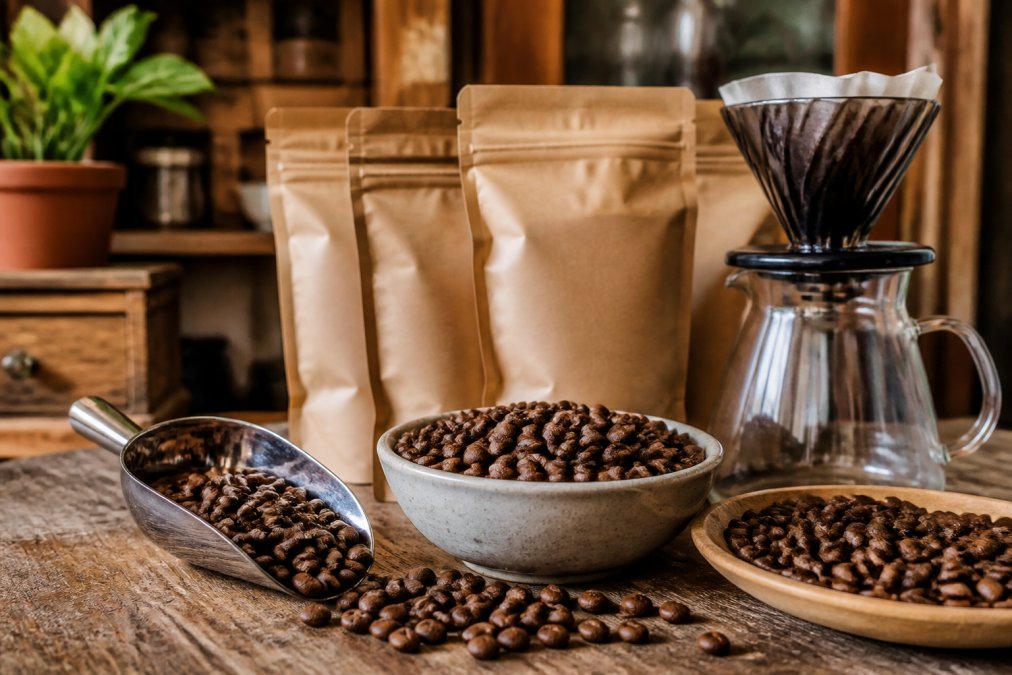
Most coffee bags on grocery store shelves were roasted weeks or months ago. By the time you brew them, the volatile aromatic compounds responsible for brightness, sweetness, and complexity have faded. At Dály Hermanos Coffee, we see this gap daily, which is why we built our operation around small-batch roasting and same-day packaging.
This guide covers the best small batch coffee beans for home in 2026, what "small batch" actually means, how to store and brew these beans correctly, and which roaster fits your taste and routine.
Quick Picks:
- Best Overall: Dály Hermanos Coffee, authentic Cuban-style, hand-roasted and packaged daily
- Best for Variety Seekers: Bean Box, curated subscription across multiple independent roasters
- Best for Rare Microlots: Blind Dog Coffee Limited Edition, nano-lot single-origins from award-winning farms
- Best for Sensitive Stomachs: Fabula Coffee, organic, low-acid, lab-tested for 350+ contaminants
- Best Roast-to-Order: Press Coffee Roasters, ships within 48 hours of roasting
What Makes Small Batch Coffee Beans Worth Buying
Small batch coffee beans deliver freshness, traceability, and roast precision impossible at industrial scale. A roaster producing thousands of pounds daily cannot monitor individual bean development the way small-batch operations do. Freshly roasted coffee retains more carbon dioxide, creating better crema in espresso and more nuanced aroma in pour-over. The tasting notes on the bag only hold true if the roast date is recent.
Small-Batch Definition Criteria: What the Label Should Actually Mean
Small batch is unregulated in the coffee industry. The criteria that matter are:
- Roast batch size: Genuine small-batch roasters work in batches under 25 pounds, typically 5-15 pounds for precise control.
- Roast date transparency: The bag should display a roast date, not a "best by" date.
- Direct-to-consumer logistics: The roaster ships directly, bypassing warehouse storage.
- Sourcing specificity: Genuine small-batch roasters name the farm, region, varietal, altitude, and processing method.
According to Specialty Coffee Association's coffee freshness resources, coffee begins off-gassing CO₂ immediately after roasting, with peak flavor generally within two to four weeks. Any roaster unable to guarantee delivery within that window is not delivering on the small-batch promise.
The Best Small Batch Coffee Beans for Home: Our Top Picks
1. Dály Hermanos Coffee: Authentic Cuban-Style, Packaged Daily
Dály Hermanos Coffee is our top pick for home brewers who want a bold, balanced roast without bitterness and care about sourcing. Beans are sourced from family-owned farms in Brazil, Colombia, and Costa Rica, hand-roasted in small batches, and packaged the same day. The flavor profile is distinctly Cuban-style: rich body, smooth finish, and roast character that works beautifully for espresso, stovetop brewing, and standard drip coffee makers. As Doug Berlie from California noted: "Best coffee I've ever had. Just opening the bag, I knew this was going to be an exceptional experience."
Best for: Home brewers who want a rich, authentic Cuban-style roast with verifiable freshness and ethical sourcing.
Pros:
- Hand-roasted in small batches with same-day packaging
- Sourced from family-owned farms with supply chain transparency
- Works across brewing methods without specialty equipment
- Available as whole bean or ground
Cons:
- Focused on Cuban-style roast profiles; less suited to light-roast enthusiasts
2. Press Coffee Roasters: Roasted to Order, Ships in 48 Hours
Press Coffee Roasters operates on a true roast-to-order model: they roast after you order and ship within two business days. Their selection spans single-origin coffees and blends in whole bean, espresso grind, drip, and French press options. Sourcing is global with rotating microlot offerings based on harvest availability. Free shipping applies to orders over $50.
Best for: Specialty coffee enthusiasts who prioritize maximum freshness and want a wide selection of single-origin and blended options.
Pros:
- Roasted to order with 48-hour shipping
- Multiple grind options for different brewing methods
- Strong single-origin selection
Cons:
- Free shipping threshold requires a larger order
- Microlot availability changes frequently
3. Blind Dog Coffee Limited Edition: Rare Microlot Single-Origins
Blind Dog Coffee offers nano-lot microlots from award-winning farmers, coffees produced in quantities small enough that most roasters never access them. The Limited Edition Collection rotates through washed, natural, and honey process coffees with detailed tasting notes, altitude data, and farmer information.
Best for: Adventurous home brewers who want to explore the outer edges of specialty coffee.
Pros:
- Nano-lot microlots from award-winning farms
- Detailed processing and sourcing transparency
- Exceptional flavor clarity and unique tasting profiles
Cons:
- Limited quantities; popular items sell out quickly
- Higher price point
4. Peet's Coffee Small Batch Series: Monthly Rotating Microlots
Peet's Small Batch Series features monthly rotating selections of rare microlot coffees from smallholder farms in whole bean or ground, with subscription discounts and free shipping on qualifying orders. Cupping scores are consistently high with detailed sourcing notes. At $24.95 per 16oz bag (with subscription discounts), it sits at the premium end of accessible specialty coffee.
Best for: Coffee enthusiasts who want rotating microlot access with the reliability of an established roaster.
Pros:
- Monthly limited-release microlots with strong sourcing transparency
- Subscription convenience with potential savings
- Reputable roasting heritage
Cons:
- Monthly rotation means you cannot always reorder a favorite
- Higher price point than standard offerings
5. Bean Box: Curated Subscription for Variety Seekers
Bean Box curates small-batch beans from independent roasters across the country and delivers through a customizable subscription. You choose grind type, roast level, quantity, and frequency. Membership includes free shipping and in-store credit.
Best for: Home brewers who prioritize variety and enjoy discovering new specialty coffee sources.
Pros:
- Access to multiple independent small-batch roasters
- Highly customizable subscription
- Membership perks including free shipping
Cons:
- No direct roaster relationship
- Curation limits access to specific roasters
6. Fabula Coffee: Organic, Low-Acid, Lab-Tested
Fabula Coffee offers organic, naturally low-acid coffee from top-tier Arabica beans, independently lab-tested for more than 350 contaminants including molds, toxins, and agricultural chemicals. This is the pick for anyone who loves coffee but experiences acid reflux or stomach sensitivity.
Best for: Coffee drinkers with acid sensitivity or anyone prioritizing clean, contaminant-free sourcing.
Pros:
- Naturally low-acid for sensitive stomachs
- 100% organic and independently lab-tested
- Sourced from top-tier Arabica farms
Cons:
- Premium pricing reflects rigorous testing
- Limited flavor range compared to roasters offering diverse origins
7. Gigawatt Coffee Roasters: Fluid-Bed Air Roasting for Smooth Cups
Gigawatt Coffee Roasters uses fluid-bed air roasting, which suspends beans in hot air rather than tumbling them in a drum. The result is a cleaner, smoother cup with less bitterness. A subscription saves 10% per order. Whole bean only.
Best for: Home brewers who find most dark roasts too bitter and want a smoother cup without switching to a lighter roast profile.
Pros:
- Fluid-bed air roasting produces notably smoother coffee
- Subscription discount of 10%
- Consistent quality through specialized technique
Cons:
- Smaller selection than larger roasters
- Limited origin detail without browsing the site
Quick Comparison: Small Batch Coffee Picks at a Glance
| Roaster | Roast Model | Best For | Key Differentiator | Subscription Available |
|---|---|---|---|---|
| Dály Hermanos Coffee | Roasted and packaged daily | Cuban-style, bold balanced roast | Same-day packaging, family-farm sourcing | Yes, free shipping on first 3 orders |
| Press Coffee Roasters | Roasted to order | Freshness-first specialty coffee | Ships within 48 hours of roasting | Yes |
| Blind Dog Coffee | Small-batch rotating | Rare microlot exploration | Nano-lot single-origins, award-winning farms | No |
| Peet's Small Batch Series | Monthly rotating microlots | Accessible premium variety | Monthly limited-release selections | Yes |
| Bean Box | Curated multi-roaster | Variety and discovery | Access to multiple independent roasters | Yes |
| Fabula Coffee | Small-batch organic | Acid-sensitive drinkers | Lab-tested for 350+ contaminants | Yes |
| Gigawatt Coffee Roasters | Small-batch air roasted | Smooth, low-bitterness cups | Fluid-bed air roasting method | Yes |
How to Store Coffee Beans for Maximum Freshness
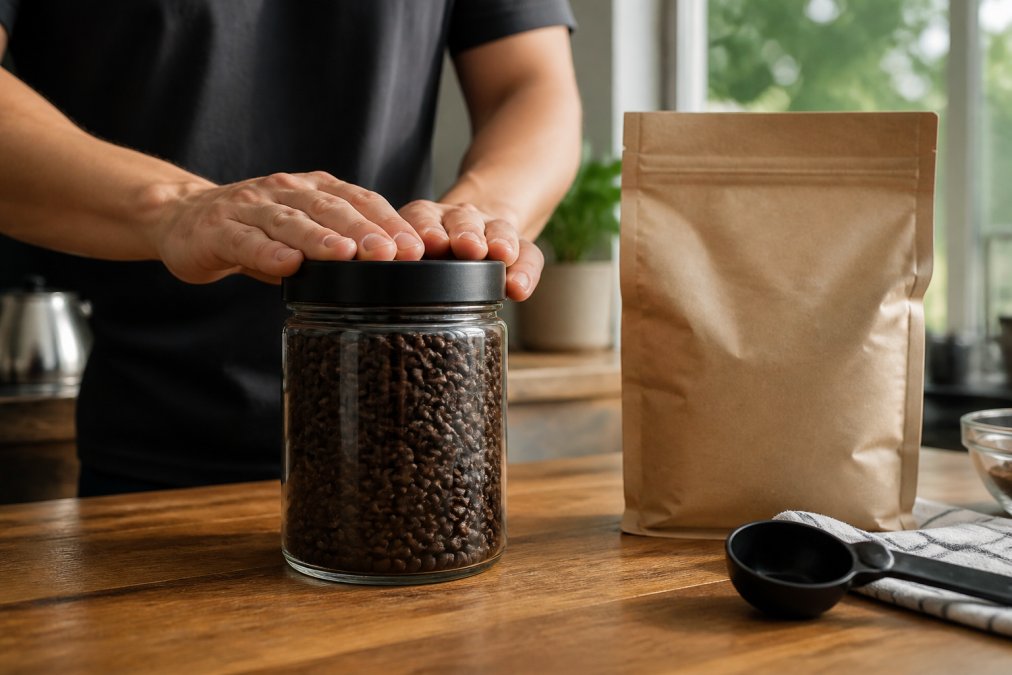
Proper storage means keeping beans away from oxygen, moisture, heat, and light. Use an airtight container, ideally opaque or stored in a dark cabinet. Ceramic or dark-tinted glass canisters with rubber gasket seals work well.
Key rules:
- Do not refrigerate whole beans. Moisture and odor transfer actively degrade coffee. Freezing is acceptable only for long-term storage of sealed, unopened bags.
- Buy quantities you will use within two weeks. Freshness degrades after opening regardless of storage quality.
- Grind immediately before brewing. Pre-ground coffee loses volatile aromatics within 15-30 minutes of grinding.
- Keep the roast date visible. If your roaster does not print it, that is worth noting.
Water Chemistry: The Overlooked Variable That Changes Your Cup
Water chemistry directly affects extraction efficiency and flavor clarity. Coffee is approximately 98% water, and mineral content, specifically the ratio of magnesium to calcium and total dissolved solids, matters significantly. The Specialty Coffee Association's water quality standards recommend water with total dissolved solids of 75-250 mg/L and pH close to neutral. If your tap water falls outside this range, filtered water will produce a noticeably cleaner cup from the same beans.
What Is the Shelf Life of Roasted Coffee Beans
Roasted coffee beans maintain peak flavor for two to four weeks from the roast date, and remain acceptable for up to three months in a sealed, airtight container (peer-reviewed research). After three months, even properly stored beans taste noticeably flat.
The practical checklist:
- Check the roast date on arrival. If no roast date is printed, contact the roaster.
- Open only what you plan to use within two weeks.
- Store opened beans in an airtight container away from heat and light.
- Freeze unopened bags only if storing longer than one month.
- Grind fresh before each brew.
Best Coffee Brewing Methods for Small Batch Beans
Pour-over is the gold standard for washed process single-origins with high acidity and delicate flavor clarity. It gives precise control over water temperature, pour rate, and contact time.
Espresso extraction suits medium-to-dark roasts with dense body and low acidity, including Cuban-style blends. Pressure extraction amplifies sweetness and produces crema. Gigawatt's air-roasted beans and Dály Hermanos Coffee's Cuban-style blend perform well here.
French press works well for natural process beans with heavy body and low acidity. Full-immersion brewing and metal filters allow more oils into the cup, complementing the fruit-forward character of natural process coffees.
Standard drip coffee makers are more capable than their reputation suggests. A clean machine, fresh whole bean ground to medium coarseness, and filtered water produce excellent results with any roaster on this list.
Grind size matters more than most home brewers realize. A burr grinder produces consistent particle size for even extraction; a blade grinder produces uneven particles.
Which Small Batch Coffee Should You Choose?
The right pick depends on your preferred roast profile, how you brew, and how much sourcing transparency matters.
| Your Priority | Best Pick |
|---|---|
| Bold, balanced, no bitterness | Dály Hermanos Coffee |
| Maximum freshness guarantee | Press Coffee Roasters |
| Rare, adventurous single-origins | Blind Dog Coffee Limited Edition |
| Variety and discovery | Bean Box |
| Sensitive stomach, clean sourcing | Fabula Coffee |
| Smooth, low-bitterness cup | Gigawatt Coffee Roasters |
| Rotating microlot access | Peet's Small Batch Series |
If you are new to small batch coffee and want a starting point that works across brewing methods without specialty equipment, Dály Hermanos Coffee is the clearest recommendation. The Cuban-style roast profile is approachable for daily drinking, sourcing is transparent down to the farm level, and daily packaging means you are getting genuinely fresh coffee.
For home brewers with a developed palate who want to explore processing methods, origin-specific tasting notes, and rare microlot character, Blind Dog Coffee's Limited Edition Collection and Press Coffee Roasters' rotating single-origins are worth exploring.
Avoid any roaster that cannot tell you the roast date. Freshness is not marketing in specialty coffee, it is a measurable, verifiable quality indicator.
Choosing quality small batch coffee beans comes down to sourcing transparency, roast-to-delivery speed, and matching the roast profile to your brewing method. Dály Hermanos Coffee addresses all three: beans sourced from family-owned farms in Brazil, Colombia, and Costa Rica, hand-roasted in small batches, and packaged the same day they are roasted. Free shipping on the first three subscription orders makes it easy to start. Add to cart and taste the difference that genuine daily-packaged freshness makes.
Frequently Asked Questions
Does roast date matter when buying small batch coffee beans for home?
Roast date is one of the most reliable quality signals for small batch coffee beans. Freshly roasted beans release CO2 for several days after roasting, which is why most specialty roasters recommend waiting 3-5 days before brewing and using the beans within 2-4 weeks of the roast date. Mass-produced bags often carry a 'best by' date 12 months out, which tells you nothing about actual freshness. Always look for a printed roast date, not just an expiration date.
What makes small batch coffee beans better than mass-produced options?
Small batch roasting allows the roaster to monitor each batch closely, adjusting heat and timing to bring out the bean's natural flavor clarity. Mass-produced roasting prioritizes consistency at scale, which often means darker roasts that mask defects. Small batch beans also ship closer to the roast date, so you get more aroma, brighter acidity, and a fuller mouthfeel. The sourcing is usually more transparent too, often traceable to a specific farm, region, or varietal.
How should I store small batch coffee beans to maintain freshness at home?
Store whole bean coffee in an airtight container away from heat, light, and moisture. A dark cupboard at room temperature works well. Avoid the refrigerator since beans absorb odors easily. If you buy in bulk, divide the beans into smaller portions and keep only the current week's supply accessible. Grinding just before brewing preserves more aroma and flavor than pre-grinding. Most small batch roasters package their beans in bags with one-way valve seals, which you can reuse for short-term storage.
What is the shelf life of roasted coffee beans?
Whole bean coffee stays at peak quality for 2-4 weeks after the roast date when stored properly in an airtight container. After that, the beans don't become unsafe to drink, but the aroma fades and the flavor flattens noticeably. Ground coffee has a shorter window, roughly 1-2 weeks before it tastes noticeably stale. Vacuum-sealed or nitrogen-flushed bags can extend shelf life to several months, though the flavor won't match truly fresh beans. Check the roast date on any bag before purchasing.
Can I brew small batch specialty coffee in a regular drip coffee maker?
Yes. A standard drip machine will produce a noticeably better cup with freshly roasted small batch beans compared to grocery store coffee, even without any equipment upgrades. The biggest improvement comes from grinding whole beans immediately before brewing. If your drip maker has a bloom or pre-infusion setting, use it, as this allows CO2 to escape before full extraction. Water temperature around 195-205°F is ideal, which most modern drip makers reach automatically. Fresh beans make the biggest difference regardless of your setup.
This article was written using GrandRanker
Frequently Asked Questions
Does roast date matter when buying small batch coffee beans for home?
Roast date is one of the most reliable quality signals for small batch coffee beans. Freshly roasted beans release CO2 for several days after roasting, which is why most specialty roasters recommend waiting 3-5 days before brewing and using the beans within 2-4 weeks of the roast date. Mass-produced bags often carry a 'best by' date 12 months out, which tells you nothing about actual freshness. Always look for a printed roast date, not just an expiration date.
What makes small batch coffee beans better than mass-produced options?
Small batch roasting allows the roaster to monitor each batch closely, adjusting heat and timing to bring out the bean's natural flavor clarity. Mass-produced roasting prioritizes consistency at scale, which often means darker roasts that mask defects. Small batch beans also ship closer to the roast date, so you get more aroma, brighter acidity, and a fuller mouthfeel. The sourcing is usually more transparent too, often traceable to a specific farm, region, or varietal.
How should I store small batch coffee beans to maintain freshness at home?
Store whole bean coffee in an airtight container away from heat, light, and moisture. A dark cupboard at room temperature works well. Avoid the refrigerator since beans absorb odors easily. If you buy in bulk, divide the beans into smaller portions and keep only the current week's supply accessible. Grinding just before brewing preserves more aroma and flavor than pre-grinding. Most small batch roasters package their beans in bags with one-way valve seals, which you can reuse for short-term storage.
What is the shelf life of roasted coffee beans?
Whole bean coffee stays at peak quality for 2-4 weeks after the roast date when stored properly in an airtight container. After that, the beans don't become unsafe to drink, but the aroma fades and the flavor flattens noticeably. Ground coffee has a shorter window, roughly 1-2 weeks before it tastes noticeably stale. Vacuum-sealed or nitrogen-flushed bags can extend shelf life to several months, though the flavor won't match truly fresh beans. Check the roast date on any bag before purchasing.
Can I brew small batch specialty coffee in a regular drip coffee maker?
Yes. A standard drip machine will produce a noticeably better cup with freshly roasted small batch beans compared to grocery store coffee, even without any equipment upgrades. The biggest improvement comes from grinding whole beans immediately before brewing. If your drip maker has a bloom or pre-infusion setting, use it, as this allows CO2 to escape before full extraction. Water temperature around 195-205°F is ideal, which most modern drip makers reach automatically. Fresh beans make the biggest difference regardless of your setup.