 listicle
Best Hand Roasted Coffee Beans to Buy Online
Table of Contents
- Why Buy Hand Roasted Coffee Beans Online
- Hand Roasted Coffee Beans Online: What Sets Them Apart
- Best Small Batch Coffee Beans for Home Brewing
- How to Store Fresh Roasted Coffee Beans
- Benefits of Small Batch Coffee Roasting
- Whole Bean vs. Pre-Ground: Which to Choose
- Coffee Subscription Benefits and Delivery Options
- How to Choose the Right Roast for Your Brewing Method
Last Updated: August 29, 2026
Why Buy Hand Roasted Coffee Beans Online
Freshness matters more than origin, roast level, or price. Hand roasted coffee beans online deliver what mass-produced grocery store options cannot: beans roasted to order, packaged within hours, and shipped directly to your door at peak flavor. A bag roasted three weeks ago tastes flat and stale compared to beans roasted last week.
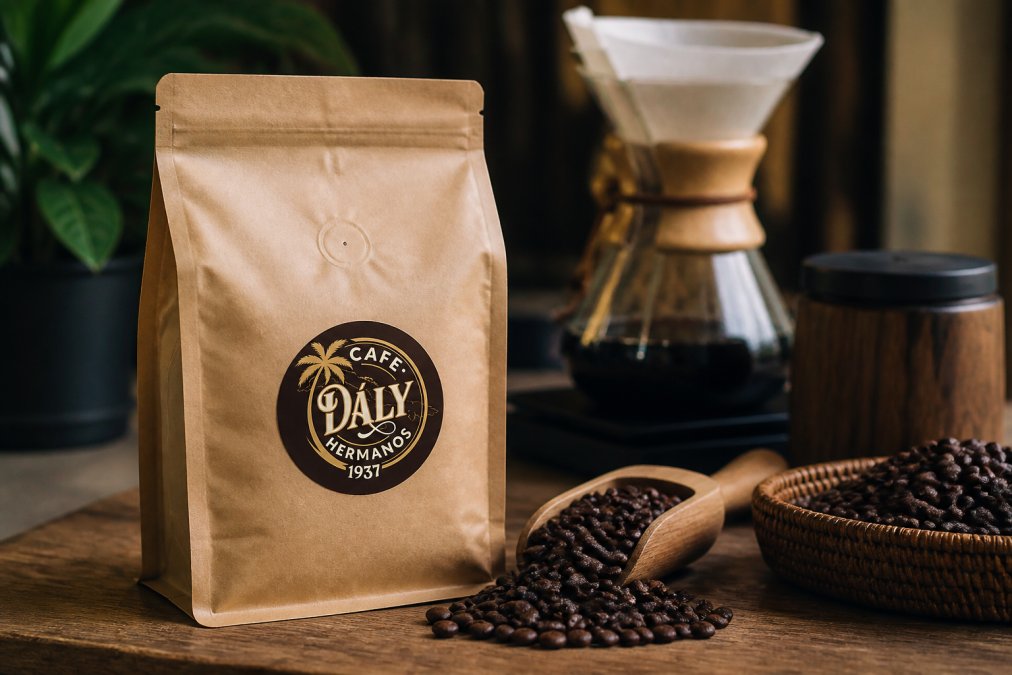
When you order from a specialty roaster, you know exactly when those beans were roasted. Most online roasters print the roast date directly on the bag, information supermarket coffee never provides. At Dály Hermanos Coffee, we roast small batches daily and ship within 24 hours, ensuring you're brewing with beans at their absolute best. Beans lose their brightness and complexity within two to three weeks of roasting, so the sooner they arrive after roasting, the better your cup tastes.
Buying online also connects you directly to the people behind the beans. You learn about the farms, processing methods, and roasting philosophy. Your money goes directly to the roasters and farmers, not to distributors or retailers.
Hand Roasted Coffee Beans Online: What Sets Them Apart
Hand roasted coffee beans online represent a completely different category from commodity coffee. The difference lies in precision, control, and intentionality at every step.
Freshness and Roast Date Transparency
The roast date is the single most important variable in coffee quality, yet most coffee buyers never see it. When you buy hand roasted coffee beans online, the roast date appears on every bag.
Freshly roasted beans are at their peak flavor window between three and twenty-one days after roasting. During the first three days, the beans are still degassing (releasing carbon dioxide), which can make extraction uneven. After three weeks, the beans begin losing their brightness and complexity. The sweet spot for most brewing methods is five to fourteen days post-roast.
Hand roasting produces more consistent color and density than industrial roasting. Hand roasters work with smaller quantities, typically five to twenty pounds per batch, allowing them to monitor each bean's development and stop the roast at precisely the right moment. This control translates directly to better flavor consistency and fewer defective beans.
Single-Origin vs. Blends
Single-origin coffees come from one specific farm, region, or country and showcase unique characteristics of that terroir: altitude, soil composition, processing method, and climate all influence the flavor profile. Single-origins work best for filter brewing methods like pour-over or French press, where subtle flavor notes can shine. Dály Hermanos Coffee sources single-origin beans from family-owned farms in Brazil, Colombia, and Costa Rica, each offering distinct tasting notes and body.
Blends combine multiple origins to achieve a specific flavor target. A roaster might blend a bright, fruity Ethiopian with a smooth Brazilian to create balanced complexity. Blends are often more forgiving in brewing and work well in espresso machines and automatic drip brewers.
Best Small Batch Coffee Beans for Home Brewing
Dály Hermanos Coffee: Authentic Cuban-Style Small Batch
Dály Hermanos Coffee delivers an authentic Cuban-style coffee experience through hand-roasted small batches packaged daily. The beans are sourced from family-owned farms in Brazil, Colombia, and Costa Rica, then roasted to emphasize rich, balanced flavors without bitterness.
Every batch is packaged the same day it's roasted, ensuring peak flavor when it arrives at your door. The company offers both whole bean and ground options, accommodating different brewing preferences. The subscription service includes free shipping on the first three orders. The Cuban-style profile means a slightly darker roast than Nordic roasters offer, but not so dark that it tastes burnt or overly bitter. This roast level works exceptionally well in traditional brewing methods like moka pots, stovetop espresso makers, and automatic drip machines.
Blackout Coffee Co.: Bold, Direct-Trade Roasts
Blackout Coffee Co. specializes in bold, strong coffee roasted fresh and shipped directly to your door. The company works directly with farmers, eliminating middlemen and ensuring higher prices for the farmers themselves. Their Coffee Club subscription offers significant savings, with prices starting at $14.50 per 12-ounce bag for club members. You can adjust quantities and skip months, making it flexible for home brewers who want fresh coffee without rigid commitment.
Seven Coffee Roasters: Global Single-Origins with Free Shipping
Seven Coffee Roasters sources the finest and freshest coffee beans globally, roasting in small batches and offering free shipping on all orders. The company offers over a dozen single-origin options at any given time, plus rotating blends and seasonal offerings. The standout feature is free shipping, which makes experimenting with different origins more affordable.
Gigawatt Coffee Roasters: Air-Roasted Smoothness
Gigawatt Coffee Roasters uses fluid-bed air roasting, a method that removes chaff and produces exceptionally smooth, non-bitter coffee. The roaster is based in Illinois and roasts fresh in small batches by hand. Every bag includes a printed roast date, and orders ship within 24 to 48 hours of roasting.
Air roasting produces a distinctly different flavor profile than drum roasting. The method heats air rather than the roasting drum itself, resulting in more even heat distribution and cleaner extraction. This translates to coffee that tastes smoother and brighter, with less of the heavy body some coffee drinkers associate with traditional roasts. Gigawatt Coffee Roasters offers a subscription service with 10 percent savings.
Press Coffee Roasters: Specialty Blends, Fast Delivery
Press Coffee Roasters sources specialty coffee from around the world, roasts to order, and ships within two business days. The company offers multiple grind options, including whole bean, espresso, drip, and French press grinds. Orders over $50 qualify for free shipping.
Roasting to order means your beans are roasted after you place the purchase, ensuring absolute freshness. Two-business-day shipping means the beans arrive still within the optimal flavor window. Press Coffee Roasters also publishes tasting notes and processing information for each coffee.
How to Store Fresh Roasted Coffee Beans
Proper storage directly impacts how long your coffee stays fresh and flavorful. The enemy is exposure to oxygen, light, heat, and moisture.
Shelf Life After Opening
Hand roasted coffee beans online typically remain at peak flavor for two to three weeks after opening the bag. The first three to five days after roasting are suboptimal because the beans are still degassing. After day five, the beans reach their flavor peak and maintain that quality through day twenty-one. Beyond three weeks, the beans begin losing brightness and developing stale flavors.
This timeline means buying fresh roasted coffee beans online makes sense only if you consume them within this window. A single-person household might do better with smaller, more frequent purchases.
Airtight Containers and Packaging
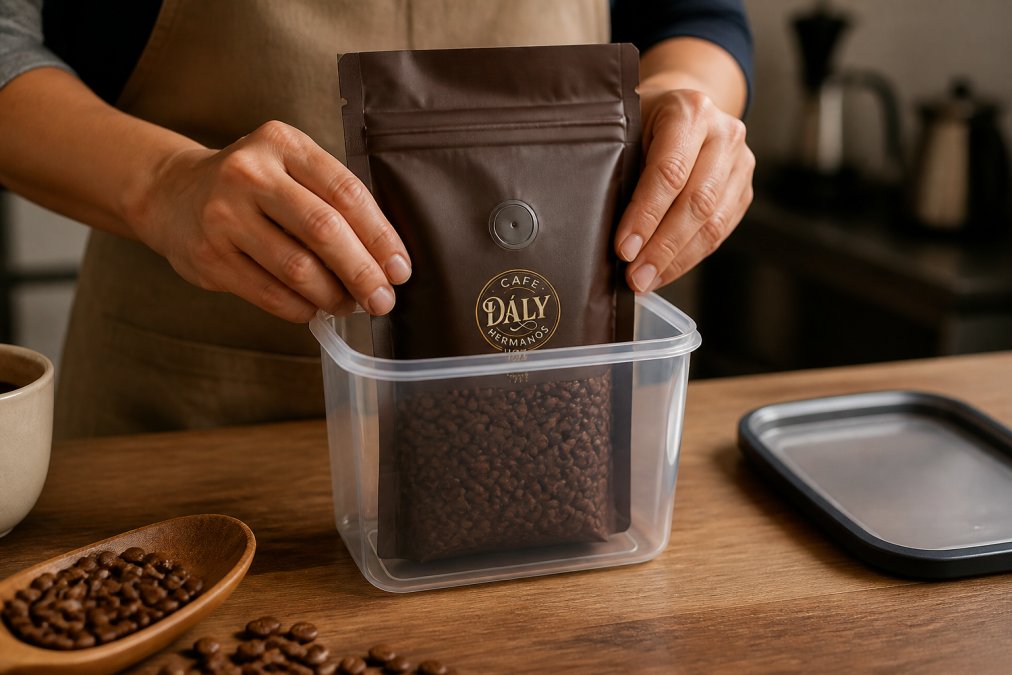
Airtight containers are essential for storing roasted beans. Oxygen is the primary enemy; it oxidizes the coffee's oils and breaks down the aromatic compounds that create flavor. Most hand roasted coffee beans online arrive in bags with one-way valves, which allow degassing while preventing oxygen from entering.
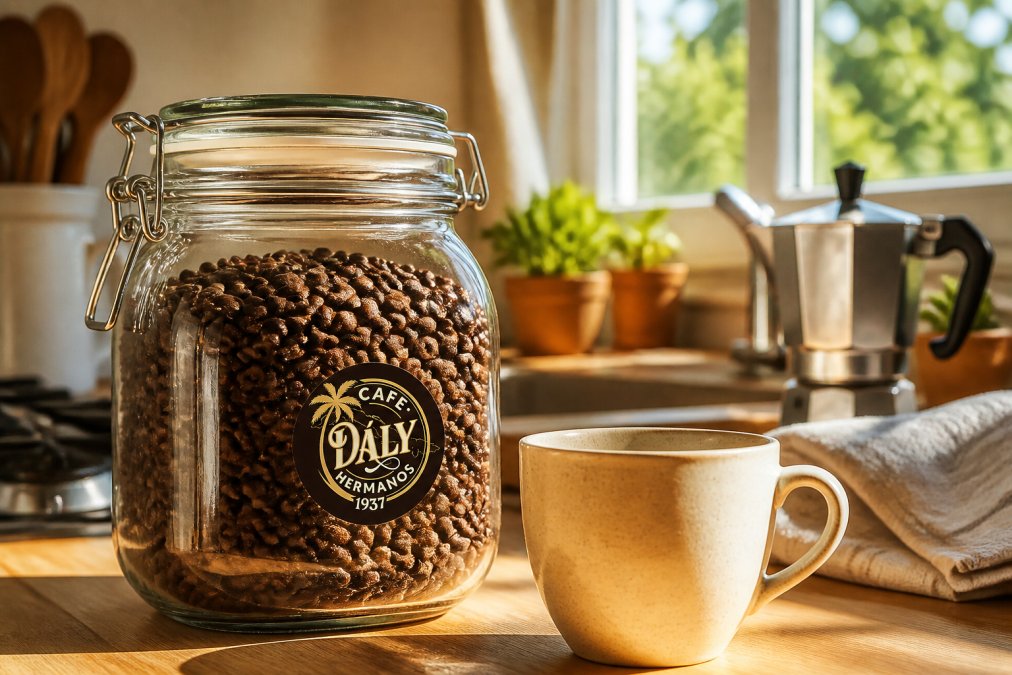
Once you open the bag, transfer the remaining beans to an airtight container if you won't finish them within a few days. Glass jars with airtight seals work well. Avoid clear containers stored in direct sunlight, which accelerates flavor degradation. A dark, cool cupboard is ideal.
Benefits of Small Batch Coffee Roasting
Quality Control and Flavor Consistency
Small batches allow roasters to monitor each roast individually and make real-time adjustments. A roaster working with five-pound batches can observe the color development, listen to acoustic changes during roasting, and make split-second decisions to stop the roast at the optimal moment. Industrial roasters processing hundreds of pounds per batch lack this granularity. This control translates to fewer defective beans and more consistent flavor across bags.
Sustainable and Ethical Sourcing Practices
Small-batch roasters often build direct relationships with farmers, paying above fair-trade prices and ensuring sustainable farming practices. When you buy from a roaster like Dály Hermanos Coffee that sources from family-owned farms, you're supporting agricultural practices that prioritize long-term sustainability over short-term yield maximization.
Whole Bean vs. Pre-Ground: Which to Choose
Whole bean coffee stays fresh for weeks after roasting. Once you grind the beans, the exposed surface area increases dramatically, and oxidation accelerates. Ground coffee loses significant flavor within days. For maximum flavor, whole bean is the only rational choice.
However, whole bean requires a quality grinder. A cheap blade grinder produces inconsistent particle sizes, leading to uneven extraction and poor flavor. A burr grinder (either flat or conical) produces uniform particles and allows you to adjust grind size for different brewing methods.
Pre-ground coffee from a specialty roaster offers convenience for busy mornings or travel. Some roasters, including Dály Hermanos Coffee, offer multiple grind options optimized for specific brewing methods. The practical compromise: buy whole bean for regular brewing at home, where you can use a quality grinder. Buy pre-ground only when convenience outweighs the freshness penalty.
Coffee Subscription Benefits and Delivery Options
Subscriptions remove the friction of remembering to reorder and often provide cost savings. The primary benefit is convenience. Coffee arrives at your door on a schedule you set, ensuring you never run out of fresh beans. You control frequency, quantity, and often which coffees you receive. Many subscriptions allow you to skip months or pause if you're working through a backlog.
Cost savings vary by roaster but typically range from five to fifteen percent off one-time purchase prices. Dály Hermanos Coffee offers free shipping on the first three subscription orders, effectively reducing your initial cost. Delivery speed matters: the faster your coffee arrives after roasting, the fresher it is when you brew it. Roasters that ship within 24 to 48 hours of roasting maintain peak freshness.
How to Choose the Right Roast for Your Brewing Method
Light roasts highlight the origin's unique characteristics and acidity. They work best in pour-over and filter brewing methods where water passes through the grounds slowly, allowing time for subtle flavors to develop.
Medium roasts balance origin characteristics with roasted flavors. They work well across most brewing methods, from automatic drip to French press to pour-over. A medium roast is the safest choice if you're unsure about your brewing method.
Dark roasts emphasize bold, heavy flavors and minimize acidity. They work exceptionally well in espresso machines and moka pots. Cuban-style roasts, like those from Dály Hermanos Coffee, typically fall into the medium-dark range. This profile delivers rich, balanced flavors without excessive bitterness, making it forgiving across multiple brewing methods.
Comparison Table: Hand Roasted Coffee Beans Online
| Roaster | Starting Price | Roast Style | Best For | Standout Feature |
|---|---|---|---|---|
| Dály Hermanos Coffee | Pricing available on website | Medium-dark | Cuban-style preference, daily drinkers | Hand-roasted daily, free shipping on first 3 subscriptions |
| Blackout Coffee Co. | $14.50 (12 oz, club) | Dark, bold | Strong coffee lovers | Direct-trade sourcing, flexible Coffee Club |
| Seven Coffee Roasters | Varies | Light to dark | Single-origin exploration | Free shipping on all orders |
| Gigawatt Coffee Roasters | Varies | Medium (air-roasted) | Smooth, non-bitter preference | Air-roasting method, 24-48 hour shipping |
| Press Coffee Roasters | $21.25 (Ethiopia) | Medium to dark | Specialty seekers | Multiple grind options, 2-day roast-to-ship |
Frequently Asked Questions
What makes hand roasted coffee beans better than mass-produced options?
Hand roasted coffee beans are roasted in small batches, allowing roasters to control temperature and timing precisely. This prevents the over-roasting and quality inconsistencies common in large-scale production. Small-batch roasting also means fresher beans, they're packaged immediately after cooling, preserving the full flavor profile and aroma. Mass-produced beans often sit in warehouses for months, losing complexity and brightness. The result is a noticeably richer, more balanced cup without bitterness.
How do I verify that hand roasted coffee beans are actually fresh?
Check the roast date printed on the bag, it should be within 2-4 weeks of purchase. Reputable roasters like Dály Hermanos print roast dates on every package for transparency. Beans degas for 24-48 hours after roasting, so the ideal window is 3-10 days post-roast for optimal flavor extraction. Avoid bags with no roast date or vague labeling like 'fresh roasted.' Subscription services and direct-to-consumer roasters ship within days of roasting, guaranteeing freshness that retail stores cannot match.
Are hand roasted coffee beans worth the premium price compared to grocery store coffee?
Yes, if freshness and flavor matter to you. Hand roasted beans cost more because they're roasted on demand in small batches using higher-quality, sustainably sourced beans from family-owned farms. Grocery store coffee is often months old and blended from commodity beans. A single cup from hand roasted beans, with their bright acidity, complex tasting notes, and balanced body, delivers noticeably better taste than stale supermarket options. For home baristas using regular coffee makers, the difference is immediate and worth the investment.
What's the best way to store hand roasted coffee beans at home?
Store whole beans in an airtight container away from light, heat, and moisture. Keep them at room temperature, never in the refrigerator or freezer, as moisture damages the beans. Beans remain fresh for 2-4 weeks after opening if stored properly in airtight packaging. The original bag with a one-way degassing valve works well; transfer to an opaque airtight container if you prefer. Grind only what you need just before brewing to preserve the flavor profile and aromatic oils that give hand roasted coffee its distinctive taste.
Do I need special equipment to brew hand roasted coffee beans properly?
No. Hand roasted beans taste noticeably better in any brewing method, even a basic drip coffee maker. The freshness and quality shine through regardless of equipment. However, if you have a burr grinder, French press, or pour-over setup, you'll unlock even more flavor complexity. The key is grinding whole beans just before brewing and using filtered water at the right temperature (195-205°F). Many roasters, including Dály Hermanos, offer beans in multiple grind sizes if you prefer pre-ground, though whole bean retains flavor longer.
This article was written using GrandRanker
Frequently Asked Questions
What makes hand roasted coffee beans better than mass-produced options?
Hand roasted coffee beans are roasted in small batches, allowing roasters to control temperature and timing precisely. This prevents the over-roasting and quality inconsistencies common in large-scale production. Small-batch roasting also means fresher beans—they're packaged immediately after cooling, preserving the full flavor profile and aroma. Mass-produced beans often sit in warehouses for months, losing complexity and brightness. The result is a noticeably richer, more balanced cup without bitterness.
How do I verify that hand roasted coffee beans are actually fresh?
Check the roast date printed on the bag—it should be within 2-4 weeks of purchase. Reputable roasters like Dály Hermanos print roast dates on every package for transparency. Beans degas for 24-48 hours after roasting, so the ideal window is 3-10 days post-roast for optimal flavor extraction. Avoid bags with no roast date or vague labeling like 'fresh roasted.' Subscription services and direct-to-consumer roasters ship within days of roasting, guaranteeing freshness that retail stores cannot match.
Are hand roasted coffee beans worth the premium price compared to grocery store coffee?
Yes, if freshness and flavor matter to you. Hand roasted beans cost more because they're roasted on demand in small batches using higher-quality, sustainably sourced beans from family-owned farms. Grocery store coffee is often months old and blended from commodity beans. A single cup from hand roasted beans—with their bright acidity, complex tasting notes, and balanced body—delivers noticeably better taste than stale supermarket options. For home baristas using regular coffee makers, the difference is immediate and worth the investment.
What's the best way to store hand roasted coffee beans at home?
Store whole beans in an airtight container away from light, heat, and moisture. Keep them at room temperature—never in the refrigerator or freezer, as moisture damages the beans. Beans remain fresh for 2-4 weeks after opening if stored properly in airtight packaging. The original bag with a one-way degassing valve works well; transfer to an opaque airtight container if you prefer. Grind only what you need just before brewing to preserve the flavor profile and aromatic oils that give hand roasted coffee its distinctive taste.
Do I need special equipment to brew hand roasted coffee beans properly?
No. Hand roasted beans taste noticeably better in any brewing method—even a basic drip coffee maker. The freshness and quality shine through regardless of equipment. However, if you have a burr grinder, French press, or pour-over setup, you'll unlock even more flavor complexity. The key is grinding whole beans just before brewing and using filtered water at the right temperature (195-205°F). Many roasters, including Dály Hermanos, offer beans in multiple grind sizes if you prefer pre-ground, though whole bean retains flavor longer.