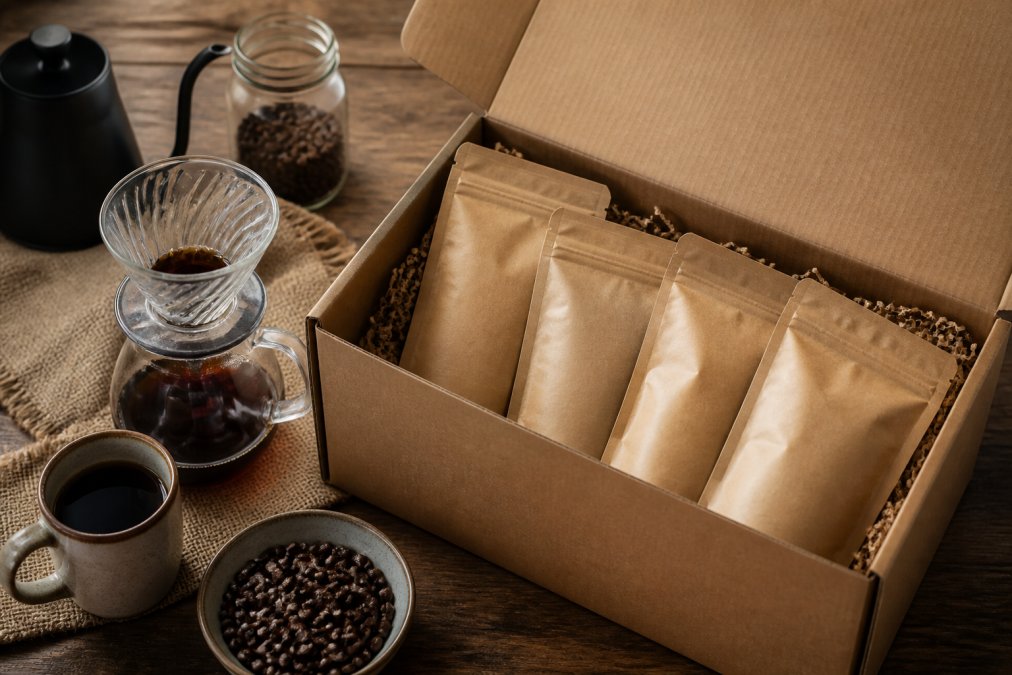
 listicle
Best Coffee Subscription for Fresh Beans (2026)
Table of Contents
- How We Evaluated These Coffee Subscriptions for Fresh Beans
- Quick Comparison: Top Coffee Subscription Fresh Beans Services
- Why Coffee Roast Date Importance Matters More Than You Think
- Dály Hermanos Coffee: Best for Authentic Cuban-Style Freshness
- Best Subscriptions for Single-Origin and Variety Discovery
- Best Subscriptions for Espresso Lovers and Flexible Delivery
- How to Store Coffee Beans for Maximum Freshness After Delivery
- Subscription Flexibility, Pausing, and Cancellation: What to Watch For
Last Updated: August 20, 2026
Finding the best coffee subscription for fresh beans requires understanding one critical distinction: the gap between a bag roasted two weeks ago and one roasted two days ago is substantial. At Dály Hermanos Coffee, our entire operation is built around roasting in small batches and packaging daily, because freshness is the entire point. Below, we've evaluated the top subscription services against that standard.
How We Evaluated These Coffee Subscriptions for Fresh Beans
The best coffee subscription for fresh beans earns that title through one non-negotiable criterion: the roast date and how quickly beans ship after roasting. Every service reviewed here was assessed on shipping speed, transparency about roast-to-door timelines, and whether packaging protects freshness during transit.
Beyond roast-to-door speed, we examined four additional factors:
- Sourcing transparency: Does the roaster disclose the farm, region, altitude, and processing method?
- Subscription flexibility: Can you pause, skip, or cancel without friction?
- Brewing compatibility: Are beans available as whole bean and ground for different brew methods?
- Decaf and low-acid options: Essential for a significant portion of coffee drinkers.
Shipping logistics were evaluated based on publicly available fulfillment policies and customer-reported delivery windows.
Quick Comparison: Top Coffee Subscription Fresh Beans Services
| Service | Starting Price | Best For | Whole Bean / Ground | Ships After Roasting |
|---|---|---|---|---|
| Dály Hermanos Coffee | See website | Cuban-style freshness | Both | Daily packaging |
| Blue Bottle Coffee | $11/shipment | Rapid post-roast delivery | Whole bean only | Within 48 hours |
| Trade Coffee | $16.99/bag | Personalized roaster matching | Both | Roast-to-order |
| Atlas Coffee Club | $9/shipment | Single-origin exploration | Both | Freshly roasted to order |
| Driftaway Coffee | $14.40/shipment | Palate development | Both | Roast-to-order |
| Angels' Cup | $8.99/shipment | Blind tasting and cupping | Whole bean + grinds | Varies by roaster |
| Mistobox | $12.71/bag + shipping | Maximum roaster variety | Most coffees | Roast-to-order |
Why Coffee Roast Date Importance Matters More Than You Think
Coffee roast date importance is the single most underestimated factor in home brewing quality. A freshly roasted coffee bean undergoes degassing for the first 24-72 hours after roasting, releasing CO2 that would otherwise create sour, uneven extraction. The optimal brewing window for most specialty coffees falls between 5 and 21 days post-roast, depending on bean density, processing method, and roast profile.
Beans roasted more than four weeks ago are stale by specialty coffee standards. Volatile aromatic compounds that produce the tasting notes on the bag degrade significantly after the third week. A washed-process Ethiopian that should taste like bergamot and jasmine tastes flat if it sat in a warehouse for six weeks.
Always look for a printed roast date, not a "best by" date. According to Specialty Coffee Association's brewing standards, proper extraction depends on bean freshness before any brewing variable is considered.
Dály Hermanos Coffee: Best for Authentic Cuban-Style Freshness
Dály Hermanos Coffee is the top pick for one specific reason: the combination of daily packaging and small-batch hand-roasting is genuinely rare. Most subscription services act as intermediaries between you and a roaster. Dály Hermanos Coffee is the roaster, which removes a full layer of delay from the freshness chain.
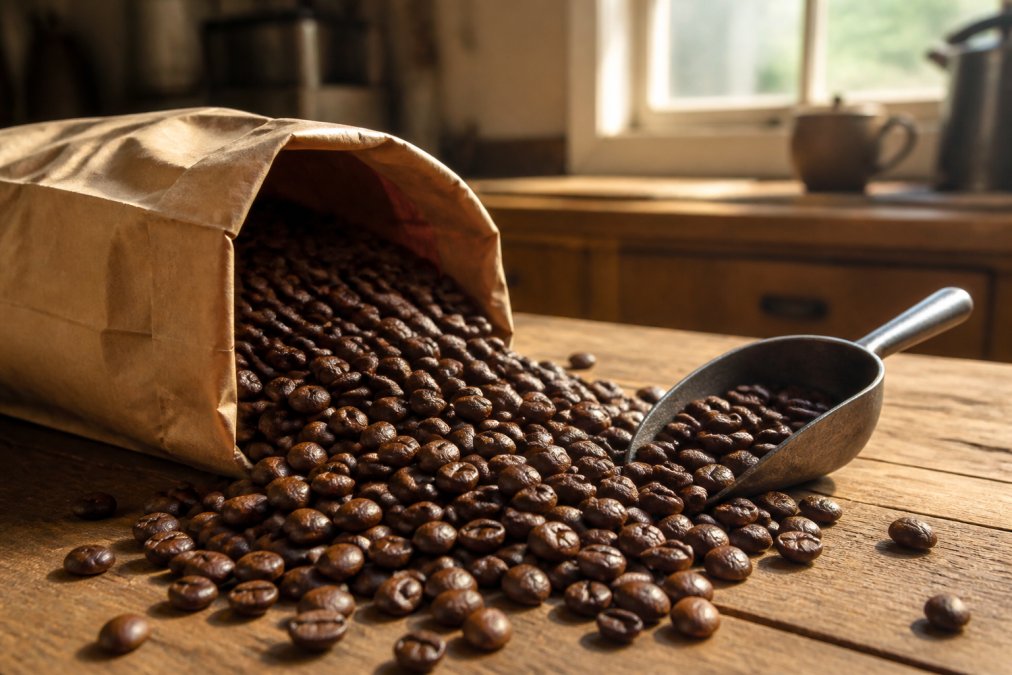
Beans are sourced from family-owned farms in Brazil, Colombia, and Costa Rica, chosen specifically for the bold, balanced flavor profile of authentic Cuban-style roast: rich body, low bitterness, and an espresso-forward character that holds up in drip machines, moka pots, or espresso setups.
Customers report this difference immediately. Delta Ramirez from New Jersey described the cup as "absolutely beautiful. Delicious, balanced, and truly on par with some of the best coffee shop espressos I've had." Mark Lewis from Maine appreciated the "good roasted flavor and no bitterness", which is the hallmark of a well-executed dark roast.
The subscription includes free shipping on the first three orders, and beans are available as whole bean or ground.
Pros:
- Hand-roasted in small batches with daily packaging for peak freshness
- Authentic Cuban-style roast profile: bold, balanced, no bitterness
- Sourced from family-owned farms with traceable origins
- Available as whole bean or ground
- Free shipping on first three subscription orders
Cons:
- Single roast profile focus (ideal for bold roast lovers; less suited to light roast enthusiasts)
Best Subscriptions for Single-Origin and Variety Discovery
For coffee drinkers who want to explore the full spectrum of specialty coffee, these three services stand out.
Atlas Coffee Club: Best for Single-Origin Exploration
Atlas Coffee Club delivers a new single-origin coffee from a different country each month, paired with a postcard, tasting notes, and sourcing background. Each shipment explains the altitude, processing method, and regional flavor characteristics.
Atlas Coffee Club's subscription page offers whole bean and ground options with multiple bag sizes and delivery frequencies. The trade-off is control: you don't choose the specific coffee each month, but for explorers, that's the point.
Best for: Adventurous drinkers who want curated selection over personal control.
Driftaway Coffee: Best for Personalized Palate Development
Driftaway Coffee takes a smarter approach to personalization. New subscribers receive a tasting kit of four single-origin samples, rate them through the platform, and future shipments are calibrated to those ratings. The system improves over time as your feedback accumulates.
Sourcing transparency is strong, with direct farmer relationships and detailed origin information for each coffee. Packaging is plastic-free and operations are carbon-neutral. Free shipping within the United States and a starting price of $14.40 per shipment make this one of the more accessible personalized options.
Best for: Drinkers who want their subscription to get smarter with each delivery.
Angels' Cup: Best for Blind Tasting and Cupping Practice
Angels' Cup is the most unusual service on this list. Samples arrive numbered, with no label identifying the origin or roaster. You taste, record notes in their mobile app, and compare your assessment against the roastmaster's tasting notes after submitting your evaluation.
This cupping practice is real. Blind tasting removes cognitive bias that comes from knowing you're drinking a premium micro-lot. You taste what's actually there, not what the label told you to expect. Starting at $8.99 per shipment, it's one of the most affordable entry points.
Best for: Coffee enthusiasts who want to actively develop their tasting skills.
Best Subscriptions for Espresso Lovers and Flexible Delivery
Blue Bottle Coffee: Best for Rapid Post-Roast Shipping
Blue Bottle Coffee ships within 48 hours of roasting. For whole-bean espresso lovers, that timeline is the closest most subscription services get to buying directly from a local roaster. The flavor profile is consistent and well-documented, with options spanning single-origin, blend, and espresso assortments.
Blue Bottle ships whole bean only. If you don't own a grinder, this service doesn't work for you. Starting at $11 per shipment with shipping included, it's competitively priced for the freshness guarantee.
Best for: Espresso drinkers with a grinder who prioritize freshness above all else.
Trade Coffee: Best for Personalized Roaster Matching
Trade Coffee functions as a marketplace connecting subscribers with over 450 coffees from dozens of roasters. The onboarding quiz identifies your preferred roast profile, brewing method, and flavor preferences, then matches you with roasters whose beans fit that profile. Beans ship roast-to-order.
The Product Match Guarantee is worth noting: if a coffee doesn't work for you, the next one ships free. Starting at $16.99 per bag, Trade sits at the higher end of the price range, but the variety and guarantee justify it for serious coffee drinkers.
Best for: Coffee lovers who want expert-matched variety without committing to a single roaster's style.
Mistobox: Best for Maximum Roaster Variety
Mistobox offers access to over 600 coffees from 60+ roasters, managed through a personal coffee curator who tailors recommendations to your preferences. The "Brew Queue" feature lets you pre-select upcoming coffees, giving you more control than most curated services.
At $12.71 per bag before shipping, it's not the cheapest option, but the breadth of selection is unmatched.
Best for: Experienced coffee drinkers who want maximum variety.
How to Store Coffee Beans for Maximum Freshness After Delivery
Knowing how to store coffee beans for maximum freshness is the difference between a subscription that pays off and one that wastes money. Beans that arrive fresh can go stale within days if stored incorrectly.
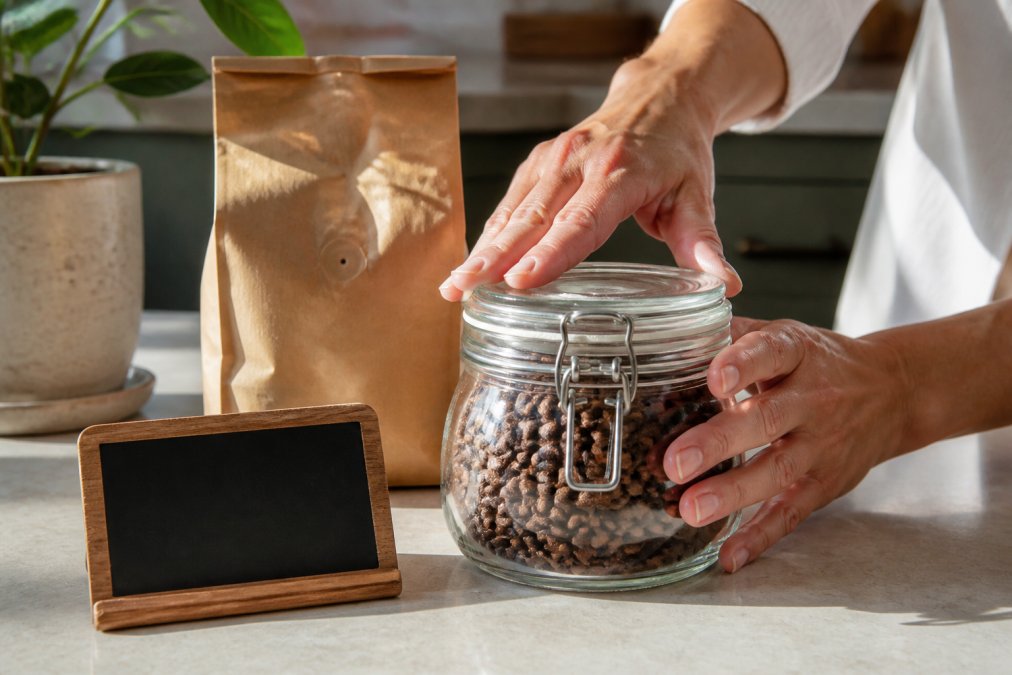
Keep beans away from air, light, heat, and moisture. An airtight container stored in a cool, dark cabinet is the correct setup. The refrigerator introduces condensation as you open and close the door, accelerating staling. The freezer works only for long-term storage of unopened, vacuum-sealed bags.
Whole bean coffee, stored in an airtight container away from light and heat, holds its peak flavor for approximately two to three weeks after roasting. Ground coffee degrades faster, often within a week of grinding, because increased surface area accelerates oxidation.
Most specialty subscription services use one-way valve bags, which allow CO2 to escape during degassing while preventing oxygen from entering. Reseal the bag tightly between uses, or transfer beans to a dedicated airtight canister after opening.
Adjust your delivery cadence to match your actual consumption rate. If you're a single-cup-per-day drinker, a 12oz bag every two weeks is more appropriate than every month.
For espresso: whole bean is strongly preferred. Grind immediately before brewing with a burr grinder.
For pour-over and drip: whole bean ground fresh produces the best results, but pre-ground at medium coarseness works if you don't own a grinder.
For cold brew: coarse grind, long steep. Pre-ground works well because extended extraction time compensates for some freshness loss.
Subscription Flexibility, Pausing, and Cancellation: What to Watch For
Subscription cancellation and pause friction is one of the most overlooked factors when choosing a coffee service. The best services offer self-service account management: the ability to skip a shipment, pause for a defined period, or cancel entirely from your account dashboard without contacting customer support.
According to the FTC's guidelines on negative option subscriptions, subscription services are required to make cancellation as straightforward as the signup process.
What to look for before subscribing:
- Skip and pause options: Can you delay a shipment without canceling?
- Cancellation path: Is cancellation available through your account dashboard?
- Billing transparency: Are you charged when ordering or when the shipment ships?
- Frequency flexibility: Can you change delivery cadence without starting over?
Most services reviewed here offer reasonable flexibility. Trade Coffee and Mistobox both provide clear account management tools. Blue Bottle Coffee's subscription management is straightforward.
The best subscription is the one that fits your actual consumption habits, not the one with the most impressive tasting notes. Start with a shorter frequency, see how quickly you work through a bag, and adjust from there.
Choosing the right subscription comes down to knowing what you actually value: maximum freshness, variety, palate development, or a specific roast style. For drinkers who want a bold, balanced cup with genuine small-batch freshness and no guesswork about sourcing, Dály Hermanos Coffee delivers on every count, hand-roasted, packaged daily, and available in whole bean or ground. The free shipping on the first three orders makes it easy to experience the difference before committing. Add to cart and start your first shipment today.
Frequently Asked Questions
Q: How can you tell if a coffee subscription service actually sends fresh beans?
A: Check whether the roaster prints the roast date on every bag, not a 'best by' date, but the actual date the beans were roasted. Subscriptions that roast to order and ship within 24 to 48 hours of roasting consistently deliver fresher coffee than services that warehouse pre-roasted stock. Dály Hermanos Coffee, for example, packages daily after roasting. If a service cannot tell you when the beans were roasted, that is a red flag worth taking seriously.
Q: Is a coffee subscription worth it compared to buying from a local roaster?
A: It depends on what your local roaster offers. A subscription that ships freshly roasted beans within 48 hours of roasting can match or beat local shop freshness, especially when small-batch roasters are involved. Subscriptions also offer sourcing transparency, curated selection, and consistent delivery frequency that most grocery options cannot provide. For specialty coffee enthusiasts who want single-origin beans, direct trade sourcing, or specific roast profiles, a subscription typically delivers better value and more consistent quality.
Q: Does small-batch roasting make a noticeable difference in subscription coffee quality?
A: Yes, and the difference shows up in the cup. Small-batch roasting gives the roaster precise control over heat application, roast profile development, and timing. That control preserves the bean's natural flavor compounds, the tasting notes, acidity balance, and aroma that distinguish a washed Ethiopian from a natural-process Brazilian. Mass-roasted coffee moves through faster cycles with less individual attention. With small-batch roasting, each lot gets treated according to its density, altitude, and processing method, which produces a more consistent and expressive result.
Q: How often should I receive coffee shipments to keep flavor at its peak?
A: Most home coffee drinkers go through a 12-ounce bag in one to two weeks. Scheduling deliveries to match that pace means you always have beans within their optimal freshness window, which runs from about three days post-roast through the two-week mark. Receiving beans too early causes stockpiling and staleness; too late means a gap in your routine. Most subscriptions let you adjust delivery frequency, weekly, biweekly, or monthly, so start with biweekly and calibrate from there based on how fast you brew.
Q: What should I look for in a coffee subscription if I only have a standard drip coffee maker?
A: You do not need specialty equipment to taste the difference that fresh, small-batch roasted beans make. Look for subscriptions that offer a medium roast profile and pre-ground options calibrated for drip brewing. Freshness matters more than equipment: beans roasted within the past week and ground just before brewing will outperform older beans in any machine. Services that let you specify grind size for drip makers are ideal. Dály Hermanos Coffee offers both whole bean and ground options, making it accessible regardless of your setup.
This article was written using GrandRanker
Frequently Asked Questions
Q: How can you tell if a coffee subscription service actually sends fresh beans?
A: Check whether the roaster prints the roast date on every bag — not a 'best by' date, but the actual date the beans were roasted. Subscriptions that roast to order and ship within 24 to 48 hours of roasting consistently deliver fresher coffee than services that warehouse pre-roasted stock. Dály Hermanos Coffee, for example, packages daily after roasting. If a service cannot tell you when the beans were roasted, that is a red flag worth taking seriously.
Q: Is a coffee subscription worth it compared to buying from a local roaster?
A: It depends on what your local roaster offers. A subscription that ships freshly roasted beans within 48 hours of roasting can match or beat local shop freshness, especially when small-batch roasters are involved. Subscriptions also offer sourcing transparency, curated selection, and consistent delivery frequency that most grocery options cannot provide. For specialty coffee enthusiasts who want single-origin beans, direct trade sourcing, or specific roast profiles, a subscription typically delivers better value and more consistent quality.
Q: Does small-batch roasting make a noticeable difference in subscription coffee quality?
A: Yes, and the difference shows up in the cup. Small-batch roasting gives the roaster precise control over heat application, roast profile development, and timing. That control preserves the bean's natural flavor compounds — the tasting notes, acidity balance, and aroma that distinguish a washed Ethiopian from a natural-process Brazilian. Mass-roasted coffee moves through faster cycles with less individual attention. With small-batch roasting, each lot gets treated according to its density, altitude, and processing method, which produces a more consistent and expressive result.
Q: How often should I receive coffee shipments to keep flavor at its peak?
A: Most home coffee drinkers go through a 12-ounce bag in one to two weeks. Scheduling deliveries to match that pace means you always have beans within their optimal freshness window, which runs from about three days post-roast through the two-week mark. Receiving beans too early causes stockpiling and staleness; too late means a gap in your routine. Most subscriptions let you adjust delivery frequency — weekly, biweekly, or monthly — so start with biweekly and calibrate from there based on how fast you brew.
Q: What should I look for in a coffee subscription if I only have a standard drip coffee maker?
A: You do not need specialty equipment to taste the difference that fresh, small-batch roasted beans make. Look for subscriptions that offer a medium roast profile and pre-ground options calibrated for drip brewing. Freshness matters more than equipment: beans roasted within the past week and ground just before brewing will outperform older beans in any machine. Services that let you specify grind size for drip makers are ideal. Dály Hermanos Coffee offers both whole bean and ground options, making it accessible regardless of your setup.