 ultimate-guide
Benefits of Buying Coffee From Family Farms
Table of Contents
- Why Quality Starts at the Source: The Family Farm Advantage
- Fresh Beans, Better Flavor: How Small-Batch Sourcing Changes Your Cup
- How to Support Sustainable Coffee Farms Daily
- Ethical Coffee Sourcing Practices That Protect Farmer Livelihoods
- Benefits of Direct Trade Coffee for Transparency and Traceability
- Verifying What You're Actually Getting: Proof Beyond Marketing
- Making the Switch: Practical Reasons to Buy From Family Farms
- Conclusion
Last Updated: August 25, 2026
Why Quality Starts at the Source: The Family Farm Advantage
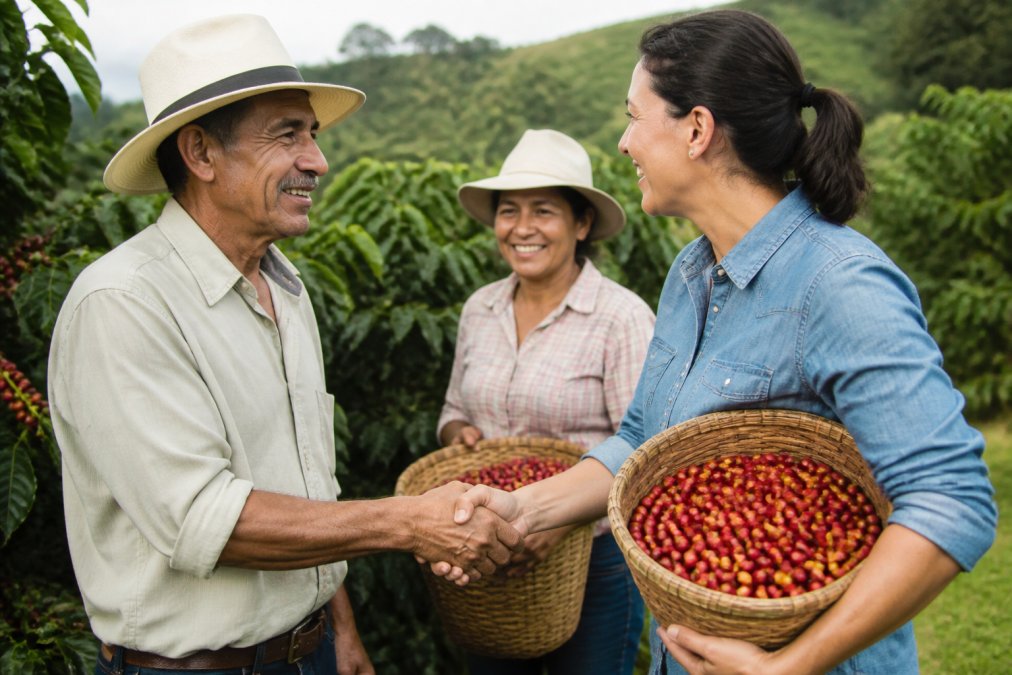
When you buy coffee from family farms, you're getting something fundamentally different from grocery store shelves. Family farms control every stage of production, from soil management to harvest timing to post-harvest processing. This hands-on approach means quality isn't a marketing promise, it's a daily practice. At Dály Hermanos Coffee, we've built our entire business on sourcing from family-owned operations across Brazil, Colombia, and Costa Rica, where growers have spent generations perfecting their craft.
The difference becomes obvious the moment you open a bag. Fresh beans roasted in small batches deliver flavor complexity that mass-produced coffee can't replicate. When you choose family farms, you're supporting an economic model that sustains rural communities, preserves agricultural knowledge, and protects biodiversity in some of the world's most important coffee-growing regions.
Fresh Beans, Better Flavor: How Small-Batch Sourcing Changes Your Cup
Direct relationships between roasters and family farms create a completely different product than commodity coffee. Small-batch sourcing means beans move from harvest to your hands in weeks, not months. When coffee sits in storage, it loses volatile compounds that create complexity and brightness. Beans roasted three days ago still carry the full range of flavors the farmer and roaster intended.
Family farms typically harvest during a compressed window, sometimes just a few weeks per year. This concentrated harvest means roasters can source micro-lots from specific plots, capturing the unique characteristics of that particular land and season. Hand-roasting in small batches amplifies this advantage. Small-batch roasters adjust for the specific characteristics of each lot because they're handling manageable quantities, resulting in a cup that tastes intentional, not standardized.
How to Support Sustainable Coffee Farms Daily
Supporting sustainable coffee farms starts with understanding what happens when you buy from family operations. Direct-to-consumer purchasing creates the most meaningful impact because money flows directly to growers without intermediary markups.
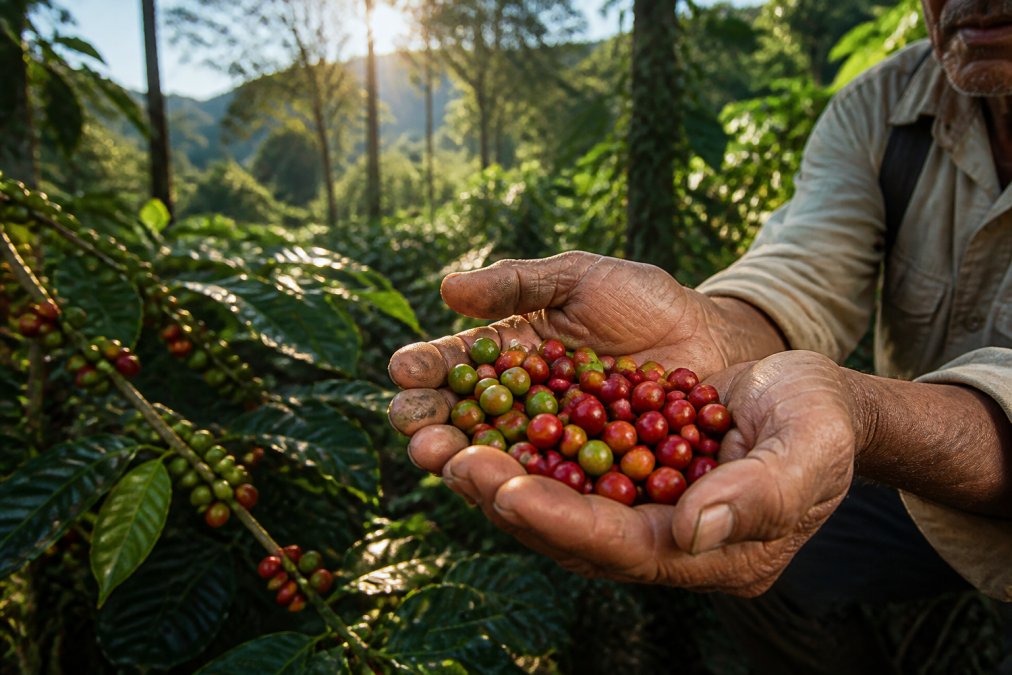
When you purchase from a roaster sourcing directly from family farms, a higher percentage of your payment reaches the actual grower. Traditional supply chains involve importers, exporters, distributors, and wholesalers, each taking a cut. A family farm receiving $3 per pound through a cooperative might receive $5-6 per pound through direct trade (peer-reviewed research). That difference determines whether farming remains economically viable for the next generation.
Subscription models create predictability that family farms desperately need. Knowing they have committed buyers for the next six or twelve months allows farmers to invest in their land and community instead of just surviving to the next harvest. Choosing whole beans over pre-ground coffee also supports sustainable practices by reducing purchasing frequency and packaging waste.
Seeking transparency in sourcing matters more than most consumers realize. Ask roasters for specifics: Which family owns this farm? What region? What altitude? What processing method? Roasters with direct relationships can answer these questions immediately.
Ethical Coffee Sourcing Practices That Protect Farmer Livelihoods
Most family farms operate on razor-thin margins. Coffee is a commodity crop, which means prices fluctuate based on global supply and demand. When commodity prices crash, family farms face a choice: continue operating at a loss or abandon the crop. The 2019 price collapse left many farmers unable to cover production costs (usda.gov).
Direct trade relationships insulate farmers from these price swings by establishing long-term agreements at prices that actually sustain farming. A family farm needs to cover labor, fertilizer, processing, and their own living expenses. Fair compensation means paying above the threshold of $1.50-2.00 per pound of green beans consistently (fao.org).
Labor conditions on family farms differ fundamentally from large plantations, though exploitation can still occur. Transparency in sourcing creates accountability. When a roaster can name the family running a farm and describe their practices, they're taking responsibility for what happens there. Fair compensation also enables farmers to invest in their communities, allowing their children to afford education instead of starting farm work at age eight.
Benefits of Direct Trade Coffee for Transparency and Traceability
Direct trade coffee offers transparency that traditional supply chains cannot match. A quality roaster can tell you the family's name, the specific plot where your beans grew, the altitude and processing method, the harvest date, and the roast date. This level of detail isn't available in commodity coffee.
Traceability protects both consumers and farmers. For consumers, it means you can verify claims. For farmers, traceability creates market differentiation. A family farm producing excellent coffee can build a reputation and command premium prices. The supply chain transparency also reveals where money actually goes, building trust that you're not overpaying for marketing while the farmer struggles.
Verifying What You're Actually Getting: Proof Beyond Marketing
The challenge with ethical sourcing claims is that marketing language sounds identical whether it's backed by real practices or not. Start by asking for specifics. A roaster sourcing directly from family farms can provide farm names, locations, and owner information. They can describe the processing method, altitude, and shade-growing practices. If a roaster gets vague when you ask these questions, they don't have the direct relationships they're claiming.
Certification programs offer one form of verification. Fair trade certification guarantees minimum prices and labor standards. Rainforest Alliance certification focuses on environmental practices. Organic certification verifies farming methods. Each provides some assurance, but none guarantees the farmer is actually earning a living wage.
The most reliable verification comes from roasters willing to share their sourcing relationships publicly. Direct communication with roasters reveals a lot. A roaster who sourced coffee from a family farm can describe the relationship: How long have they worked together? What challenges has the farm faced? Genuine relationships generate specific stories.
Consider also whether a roaster's business model aligns with direct sourcing claims. Direct relationships require smaller volumes and higher per-unit costs. If a roaster is selling coffee at commodity prices while claiming direct trade, the economics don't work.
Making the Switch: Practical Reasons to Buy From Family Farms
Switching to coffee from family farms addresses several frustrations that specialty coffee enthusiasts encounter. The most obvious is flavor consistency. Coffee from a single family farm, roasted fresh in small batches, tastes different month to month as seasonal variations emerge. This variability is a feature, not a flaw.
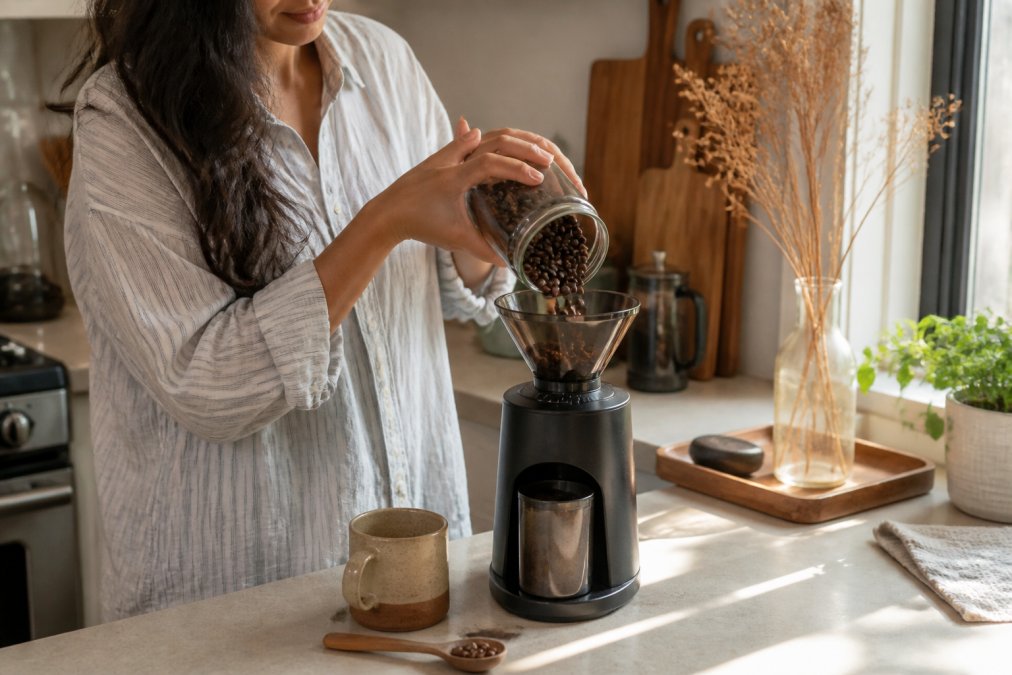
The freshness advantage is immediate and tangible. Coffee from a roaster sourcing directly from family farms can arrive at your door days after roasting. You'll notice the difference the moment you open the bag. Cost is a legitimate concern, but the value calculation changes when you consider freshness. A bag of specialty coffee roasted recently stays excellent for a month, while grocery store coffee loses noticeable quality over two weeks.
The ritual aspect matters more than marketing suggests. Coffee from family farms creates a different relationship with your morning routine. You're engaging with a product made by people you can name, from a place you can visualize, using methods you understand. Supporting family farms also closes the gap between caring about ethical sourcing and actually knowing whether your purchases support it.
The practical barrier to switching is usually just inertia. The easiest way to start is a subscription model. Commit to a three-month subscription from a roaster sourcing directly from family farms. After three months, you'll have a clear sense of whether the quality and freshness justify the cost.
The benefits of buying coffee from family farms extend beyond a single cup. Fresh beans roasted in small batches deliver flavor that mass-produced coffee cannot match. Direct relationships with family-owned farms ensure fair compensation reaches the people actually growing your coffee, creating economic stability in rural communities. Transparency in sourcing lets you verify claims instead of trusting marketing language. And the shift to specialty coffee supports agricultural practices that preserve biodiversity and soil health for future generations.
If you're looking to elevate your daily coffee routine while supporting the farmers who make it possible, Dály Hermanos Coffee offers an authentic entry point. Our beans are sourced directly from family farms in Brazil, Colombia, and Costa Rica, hand-roasted in small batches, and packaged daily to ensure peak freshness. Each bag carries the story of the family that grew it, not as marketing, but as a commitment to transparency you can verify. Start with a subscription and experience the difference that direct sourcing and fresh roasting make in your cup.
Frequently Asked Questions
How does buying from family farms actually improve coffee quality compared to commodity coffee?
Family farms prioritize harvest quality and post-harvest processing because their reputation and income depend on it. Smallholder farmers control every step from crop yield to green bean preparation, resulting in more consistent, flavorful beans. Commodity coffee blends beans from many sources and prioritizes volume over craft, often resulting in inconsistent flavor and staleness by the time it reaches your cup. When you buy directly from family farms, you're getting beans roasted fresh in small batches specifically to showcase their origin-focused characteristics.
How can I verify that the coffee I'm buying is actually ethically sourced from family farms?
Look for transparency in the supply chain, reputable roasters should provide traceability information showing the farm's location, the farmer's name, and how the beans were processed. Ask whether the roaster visits farms directly or maintains long-term relationships with producers. Request proof of fair compensation and farm-gate prices paid to farmers. Some roasters offer batch numbers or QR codes linking to specific farm details. Avoid vague claims like 'artisanal' or 'fair trade' without certification or documentation backing them up.
Will specialty coffee from family farms taste noticeably better in my regular home coffee maker?
Yes. Quality beans roasted fresh make a measurable difference regardless of equipment. Even in a basic drip maker, you'll notice richer flavor, better balance, and reduced bitterness compared to mass-produced grocery store coffee. Hand-roasted, small-batch beans from family farms are designed to shine because farmers and roasters care about the final cup. You don't need expensive equipment to appreciate the difference, a consistent brewing method and fresh beans are what matter most.
What's the real economic impact when I buy coffee directly from family farms?
Direct trade and direct-to-consumer models eliminate middlemen, meaning a larger share of your purchase goes directly to the farmer. Family farms benefit from fair compensation and economic stability, which strengthens local communities and allows farmers to invest in sustainable agriculture and better farming practices. When you buy from roasters who work directly with smallholder farmers, you're supporting producer livelihoods, preserving coffee quality and craft, and building a more equitable value chain. This creates measurable social impact beyond just getting good coffee.
This article was written using GrandRanker
Frequently Asked Questions
How does buying from family farms actually improve coffee quality compared to commodity coffee?
Family farms prioritize harvest quality and post-harvest processing because their reputation and income depend on it. Smallholder farmers control every step from crop yield to green bean preparation, resulting in more consistent, flavorful beans. Commodity coffee blends beans from many sources and prioritizes volume over craft, often resulting in inconsistent flavor and staleness by the time it reaches your cup. When you buy directly from family farms, you're getting beans roasted fresh in small batches specifically to showcase their origin-focused characteristics.
How can I verify that the coffee I'm buying is actually ethically sourced from family farms?
Look for transparency in the supply chain—reputable roasters should provide traceability information showing the farm's location, the farmer's name, and how the beans were processed. Ask whether the roaster visits farms directly or maintains long-term relationships with producers. Request proof of fair compensation and farm-gate prices paid to farmers. Some roasters offer batch numbers or QR codes linking to specific farm details. Avoid vague claims like 'artisanal' or 'fair trade' without certification or documentation backing them up.
Will specialty coffee from family farms taste noticeably better in my regular home coffee maker?
Yes. Quality beans roasted fresh make a measurable difference regardless of equipment. Even in a basic drip maker, you'll notice richer flavor, better balance, and reduced bitterness compared to mass-produced grocery store coffee. Hand-roasted, small-batch beans from family farms are designed to shine because farmers and roasters care about the final cup. You don't need expensive equipment to appreciate the difference—a consistent brewing method and fresh beans are what matter most.
What's the real economic impact when I buy coffee directly from family farms?
Direct trade and direct-to-consumer models eliminate middlemen, meaning a larger share of your purchase goes directly to the farmer. Family farms benefit from fair compensation and economic stability, which strengthens local communities and allows farmers to invest in sustainable agriculture and better farming practices. When you buy from roasters who work directly with smallholder farmers, you're supporting producer livelihoods, preserving coffee quality and craft, and building a more equitable value chain. This creates measurable social impact beyond just getting good coffee.